A Retro Teacher Embroidery Design for Real Projects
The First Impression: Warm, Friendly, and Ready for a Hoop
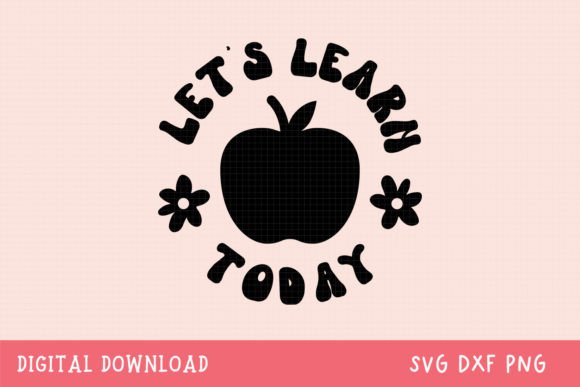
When I first opened the Let s Learn Today, Teacher Svg design, I was immediately struck by its mood. This isn’t a sleek, modern graphic. It’s a warm, friendly, and intentionally retro piece. The design’s shape and layout evoke a sense of classic schoolhouse charm, which creates a very specific visual personality. For an embroidery designer, that’s gold. It tells you exactly what kind of project this belongs to: heartfelt gifts, personalized items for educators, and nostalgic boutique products.
The detail level here is interesting. It’s not overly intricate, which is a practical advantage. From an embroidery standpoint, overly dense designs can be tricky on certain fabrics and with certain hoop sizes. This one appears balanced, with clear spaces for satin stitches on the lettering and potential fill stitches for the main graphic elements. That balance means it’s likely to stitch out cleanly without becoming a puckered mess on the fabric.
Where This Design Finds Its Home in Real Projects
Let’s talk about real-life embroidery situations. I’m picturing this design on a custom embroidered tote bag for a teacher’s first day of school. It would look excellent on a high-quality canvas bag, offering a professional yet personal touch. But my mind doesn’t stop there.
This design naturally fits on cozy sweatshirts or t-shirts as a gift for a favorite teacher. It would be perfect on a simple, elegant apron for a home-educator or a crafty teacher. Imagine it on a pillow cover in a reading nook or neatly stitched onto a kitchen towel as part of a teacher appreciation gift basket. For small business owners focusing on nursery decor or personalized baby clothes, a smaller version of this could be sweet on a blanket or a little onesie, celebrating a parent who teaches.
For Etsy sellers and craft fair vendors, this design translates into ready-made merchandise. An embroidered patch with this motif could be a standalone product. It has that giftability factor—it’s recognizable, professional-looking, and carries an emotional message that buyers connect with. That boosts customer trust in your handmade presentation.
Thinking Through the Stitching: Practical Considerations
Now, as a professional reviewing this for client work, I have to think about how Let s Learn Today, Teacher Svg will perform after the needle hits the fabric. The retro style suggests bold lines, but I’d be looking closely at the small lettering in “Let’s Learn Today.” Tiny text in embroidery can sometimes blur if the stitch density isn’t right or if the fabric is too textured.
This is where your practical testing comes in. Always test the embroidery file on scrap fabric first, ideally the same type you plan to use for the final product. Check the thread color contrast. On light fabrics, a classic combination like black and red might work beautifully for this theme. On dark fabrics, you’d need to plan your palette carefully—perhaps white or cream lettering with bright accent colors—to maintain that visual appeal and stitching clarity.
For textured fabrics like some sweaters, or stretchy fabrics like t-shirts, you’ll need a good stabilizer. For curved surfaces like caps, consider if the design’s layout is wide enough to be adapted without losing its charm. The decorative accents within the design might need to be simplified for very small hoop sizes.
Where to Use This Design Carefully
Not every design is for every project. For Let s Learn Today, Teacher Svg, I’d advise caution on very small hoop sizes where the detailed corners and lettering might become too tight and difficult to stitch cleanly. Similarly, on thin fabrics without proper stabilizer, the stitch density, even if it’s moderate, could cause pulling.
Products that need frequent washing, like baby clothes or kitchen towels, require robust stitching. You’d want to ensure the fill areas are solid and the satin stitch borders on the lettering are tight enough to withstand washes without fraying. This affects the long-term product value and customer satisfaction.
Also, for layered garments like hoodies with pockets, placement is key. You want the design to sit on a flat, unobstructed area so every element reads clearly.
Professional Notes for Embroidery Designers and Makers
My final thoughts as I evaluate this for commercial embroidery projects or my own craft business items are these practical notes.
First, since this is a digital embroidery file, its compatibility is mentioned for cutting machines, but for embroidery, you must confirm the specific file formats you need. Convert it to the correct format for your machine and always test it.
Second, review the stitch density in your embroidery software after conversion. See if any areas are too dense for your preferred fabric. Inspect those small details before committing to a final project.
Third, test the design in both black and white mockups. How does it look as a simple outline versus a filled design? This helps plan for different fabric backgrounds, from light linen to dark denim.
Fourth, and crucially, confirm the licensing before selling finished items or digital products. The product category is Crafts and the type is Graphics, but you need to know if this is cleared for commercial use, for personal use only, or requires an additional license. This is fundamental for brand consistency and professionalism in your business.
This retro teacher design has strong potential. Its friendly mood and clear layout make it a candidate for successful handmade products that feel personal and professional. By taking those practical steps—testing, checking contrast, and confirming licensing—you can turn this digital asset into a beautiful finished product that truly honors the spirit of learning.