Evaluating a Teacher Embroidery Design for Real Projects
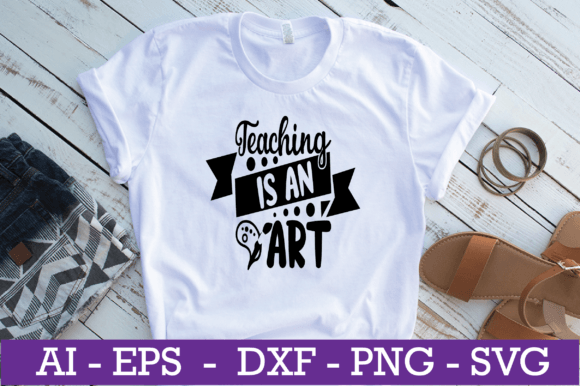
When a design titled Teaching is an Art Teacher SVG Design lands in my queue for review, my first thought isn’t about the file formats. It’s about the feeling it conveys and where I’d actually stitch it. This isn’t a generic graphic; it’s a statement piece. The theme immediately evokes warmth, respect, and a touch of classic craftsmanship. The layout suggests a focus on clear, readable text with supporting artistic elements—ideal for embroidery where clarity is king.
The First Impression: Where This Design Naturally Belongs
You look at this design and you think of gifts. You think of appreciation. It has a professional yet personal vibe that doesn’t scream “school supply,” but rather “celebrated profession.” In my mind, I’m already picturing it on a canvas tote bag for a retiring educator, or centered on the front of a soft, premium sweatshirt. It feels suited for projects meant to be kept and used, not just displayed. The visual personality is clean and emblematic, making it a strong candidate for an embroidered patch or a centerpiece on apron for a teacher’s classroom. It’s a design that carries emotional weight, which is exactly what makes a handmade product special.
Putting It to the Test: Real-Life Embroidery Scenarios
Let’s walk through a real scenario. I’m preparing a custom order for a client who wants a unique gift for her child’s kindergarten teacher. She’s chosen a high-quality linen tea towel and a durable cotton tote bag. My job is to select a design that will stitch cleanly, look professional, and resonate. The Teaching is an Art Teacher SVG Design comes to mind immediately.
On the tea towel, the design would need to handle the fabric’s texture. The likely composition—a central artistic motif with text—means I’d consider using a satin stitch for bold outlines and a fill stitch for any larger areas, ensuring it pops against the linen. For the tote bag, which is thicker, stitch density becomes key; too dense and it’s stiff, too light and it looks weak. This design’s structure, assuming it has clean lines, would translate well into a crisp, durable finish perfect for a bag that gets used daily.
Beyond gifts, this design has serious potential for small shop product lines. An Etsy seller specializing in educator appreciation could offer it on baby onesies (“Future Teacher”), pillow covers for a cozy reading nook, or as part of a boutique’s branded custom apparel. Its appeal is niche but deep, fostering strong buyer engagement from a specific, grateful audience.
Where Careful Planning is Essential
No design is universally perfect. The charm of Teaching is an Art Teacher SVG Design could be lost if applied without thought. Small details are my first concern. If the design includes tiny lettering or intricate decorative accents, I’d be cautious about stitching it on small hoop sizes or on stretchy fabrics like t-shirts, where distortion can occur. Dark fabric requires impeccable planning for thread color contrast—a white or light satin stitch outline might need to be thickened in the machine settings to ensure visibility.
Textured fabrics like sweaters or curved surfaces like caps pose a challenge. The design’s integrity depends on a stable stitching field. Using the proper stabilizer is non-negotiable here. Similarly, for products destined for frequent washing, like baby clothes or kitchen towels, I would test the stitch density on scrap fabric first to ensure it withstands wear without fraying. The goal is a finished product that looks beautiful and lasts, building customer trust in your craftsmanship.
How This Design Elevates Your Project Value
Using a well-conceived design like this does more than decorate a item; it elevates the entire presentation. For a craft business, it offers brand consistency if you focus on educator-themed products. The design’s inherent giftability and recognition factor mean your finished product communicates value before a word is said. It speaks to professionalism, both in the teaching profession and in your own embroidery project execution.
For digital product sellers, this design as a digital embroidery file or part of a printable mockup becomes a valuable asset for other makers. Its clear theme makes it easy for customers to visualize it on their own embroidered patch or holiday embroidery gift. This practical, realistic appeal is what turns a graphic into a commercial success.
Practical Notes from the Embroidery Desk
Before I hooped any fabric for a real project with this design, my process would be methodical. First, I’d run a test on scrap fabric matching the final project’s weight and texture. This checks for any issues with stitch density or thread tension. I would inspect the design file closely, particularly any small corners or details, to see if they need minor adjustment for my machine.
I always check thread color contrast by simulating the design in both black and white mockups. How does it look on a light background versus a dark one? This informs my material choices. Crucially, I would confirm the licensing terms provided with the Teaching is an Art Teacher SVG Design. The description mentions files for Adobe Illustrator and SVG, but the specifics for commercial embroidery use aren’t detailed here. It is essential to verify whether you can sell the finished items or use the design in commercial design assets before proceeding. Never assume.
Finally, consider the fabric texture and end-use. A design with this emotional resonance deserves the right canvas. A crisp cotton polo for a gift, a sturdy denim apron for a boutique, or a soft blanket for nursery decor—choosing the right product amplifies its impact. Your skill as a maker and the quality of the design file merge to create something that feels both professional and profoundly personal.