Evaluating the Teacher Glass Design for Real Embroidery Projects
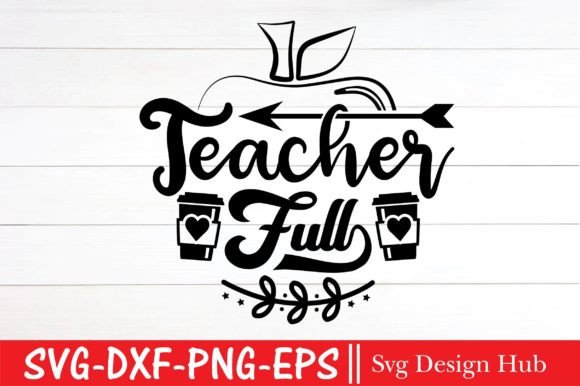
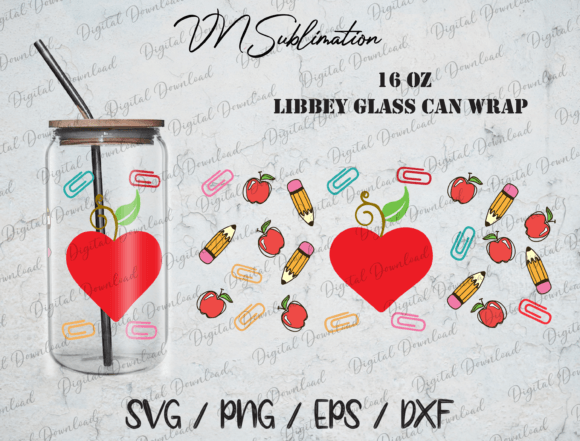
When a new design lands in my library, my first question isn't just "is it cute?"—it's "how will it stitch?" I'm looking at this 16 Oz Libbey Glass Teacher SVG not as a digital graphic, but as a potential physical asset. My mind goes straight to the hoop: how will this translate into thread on fabric? The immediate impression here is a classic, sentimental mood. It's not trendy or flashy; it feels like a warm, personal acknowledgment. The layout is straightforward, centered on the iconic can glass shape, and the typography is clean. This tells me it belongs to projects meant to convey appreciation, a tangible "thank you" stitched onto something.
The Natural Habitat for This Stitched Design
I picture this design living on items meant to be used, seen, and cherished. Imagine a custom embroidered tote bag for a retiring teacher—the sturdy cotton canvas providing a perfect backdrop for the satin stitches outlining the glass. A cozy sweatshirt for a classroom volunteer makes another strong candidate; the design's size and theme align perfectly with personalized apparel gifts. For small business owners and Etsy sellers creating boutique teacher gift collections, this could be a core design for apron corners, kitchen towel hems, or even a decorative patch sewn onto a book bag.
In a real-life scenario last week, a client requested a "first-day-of-school" gift for her child's kindergarten teacher. We were considering a set of embroidered linen napkins. This 16 Oz Libbey Glass Teacher SVG came to mind immediately. Its clear, recognizable shape would stitch up cleanly on linen, and the theme was perfectly aligned without being overly childish. The value isn't in the complexity of the design, but in its direct emotional resonance—crafters know that this clarity builds customer trust and elevates the handmade presentation.
Where Stitching This Design Gets Tricky
This is where practical judgment comes in. While the design elements appear clean, any embroidery file with defined outlines and lettering demands careful application. On textured fabrics like thick sweatshirt fleece, small details might lose definition. On stretchy fabrics, a robust stabilizer is non-negotiable to prevent the fill stitches from distorting.
I would be cautious about very small hoop sizes. Squeezing this design into a tiny area on a baby hat or a cap's curved surface could compress the lettering, making stitch clarity suffer. Dark fabric backgrounds require a thorough thread color contrast review—a simple black and white mockup test before stitching is a wise step. And for products destined for frequent washing, like tea towels or aprons, checking the stitch density is crucial; overly dense areas might feel stiff and wear less gracefully.
Turning a Digital Graphic into a Professional Product
The download includes the core formats—SVG, PNG, EPS—which is a solid starting point for digital product sellers and commercial embroidery. For us embroidery designers, these files are the blueprint. But the real work begins in translation. How does this graphic perform as a stitched piece on finished products?
On light cotton for a pillow cover, it would likely pop with pleasing contrast, enhancing the giftability of the item. For an Etsy seller creating printable mockups for their listings, the clean PNG file allows for a professional preview that accurately represents the eventual embroidered product. This consistency between digital asset and physical outcome directly affects buyer engagement. They can envision the crafted item.
A Designer’s Practical Notes Before Hooping Up
- Always run a test on scrap fabric first, using the same material and stabilizer as your final project.
- Review the design in your machine software at your intended hoop size. Inspect any tiny corners or junctions.
- Plan your thread palette. Consider both light and dark background versions—sometimes a slight color shift from the graphic improves stitched clarity.
- Confirm the licensing for your intended use. Since this is a graphics product, understand the terms before selling finished items or incorporating it into commercial embroidery projects for clients.
- Remember, the listing is designed around the 16 Oz Libbey Can Glass shape. This inherent context guides your product pairing. It naturally fits kitchen items, drinkware companions, and cozy home textiles.
In essence, the 16 Oz Libbey Glass Teacher SVG offers a strong thematic foundation. Its visual personality is warm and professional. For crafters and makers, its true value will be realized not in the download folder, but in how thoughtfully it’s stitched, how well it’s paired with the right product, and how it makes the recipient feel when they see that embroidered appreciation on something made just for them. That’s the project insight that matters.