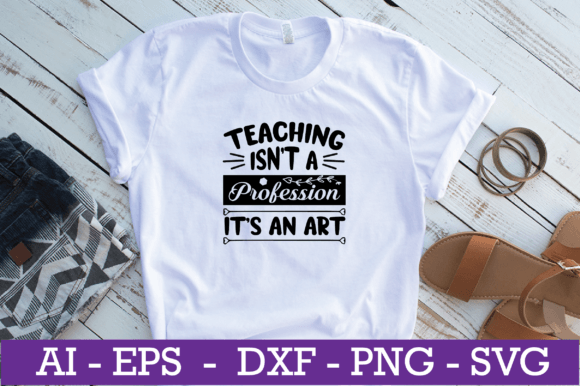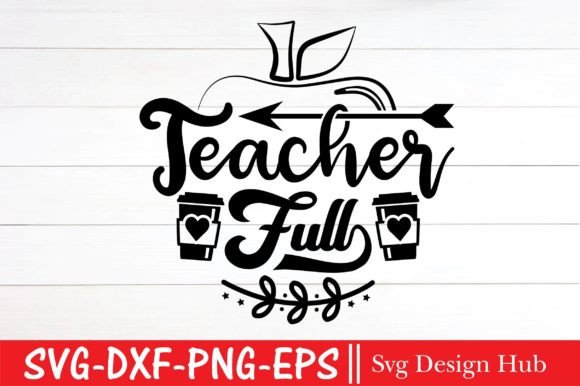
A Retro Teacher Design: Ready for Real Embroidery Work?
When you’re evaluating embroidery files for real projects—whether for a client order, a gift, or your own shop’s next product—you look beyond the preview. You need to visualize the stitched result. Today, I’m considering the Teacher Full Svg, Teacher Svg bundle for that purpose. It promises a retro aesthetic and versatile formats, but how does it translate from a digital graphic to a physical, thread-based creation? Let’s walk through a practical design review.
The First Impression: Mood and Visual Personality
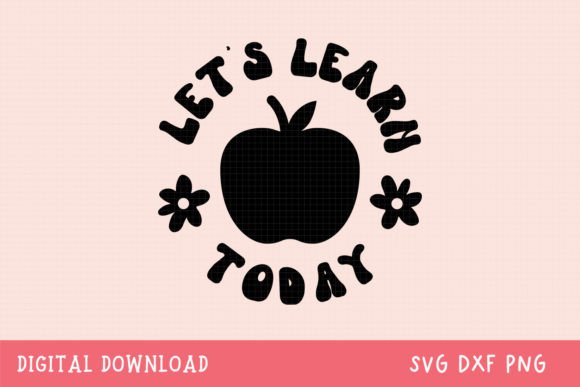
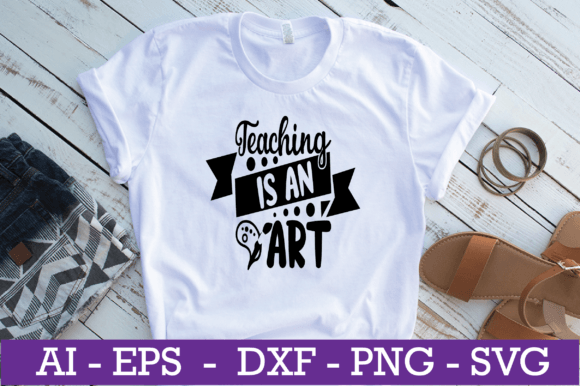
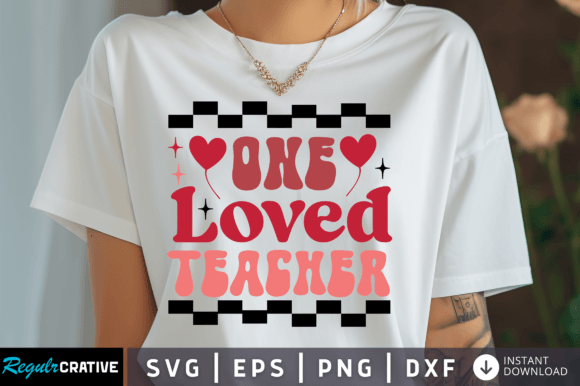
Opening the bundle, the designs carry a distinct retro charm. This isn’t a generic, modern teacher graphic; it has a personality. The shapes and typography evoke a sense of warmth and nostalgia. For an embroidery designer, this mood is immediately valuable. It suggests the finished product won’t feel mass-produced. When I imagine this stitched onto a canvas tote bag or a cozy sweatshirt, I think of a heartfelt gift for a beloved educator—something that feels curated and special, not just a logo slapped on fabric.
Finding Its Natural Project Home
My mind goes to a specific scenario: preparing a custom embroidered tote bag for a teacher appreciation week. A small business owner or an Etsy seller might be looking for a design that stands out at a craft fair. This retro teacher bundle feels like a strong candidate. The layouts and detail level seem suited for mid-sized applications. It wouldn’t overwhelm a child’s baby blanket bib, but it also has enough presence to be the focal point on an apron or a pillow cover. The thematic quotes and elements naturally fit personalized gifts and boutique merchandise.
Performance Across Real Embroidery Situations
Let’s break down where this embroidery design could shine and where caution is needed. On stable, medium-weight fabrics like cotton tote bags, tea towels, or the face of a pillow cover, I anticipate clean results. The design’s personality should stitch out with good clarity, adding value to the finished product. For custom apparel like sweatshirts, using a proper stabilizer will be key, especially if any elements involve larger fill stitch areas. On caps or curved surfaces, the design’s scale and any intricate corners would need careful hoop placement and possibly a reduction in stitch density to maintain comfort and shape.
Dark fabric backgrounds are a classic test. A design with a retro feel often relies on contrast. I would strongly advise testing this Teacher Full Svg, Teacher Svg on scrap dark fabric first, reviewing thread color choices to ensure the warmth and readability of the design aren’t lost. Similarly, on stretchy fabrics like certain t-shirts, the stabilizer choice becomes even more critical to prevent distortion, particularly if the design includes any detailed lettering.
Where to Use With Extra Care
Every embroidery file has its limits. For this bundle, I’d be cautious about very small hoop sizes. Tiny details or lettering might not translate well if scaled down excessively, becoming a blur of stitches. Textured fabrics like some blankets could also obscure the cleaner lines of a retro design. Products that require frequent, harsh washing, like kitchen towels, need a design that can endure. This comes down to the underlying stitch construction—something you can only assess by stitching a sample and testing it.
Impact on Appeal, Trust, and Professionalism
From a business perspective, using a well-executed design like this affects everything. The visual appeal of a neatly embroidered retro teacher motif on a product increases perceived value. It builds customer trust—they see a cohesive, thoughtful handmade product. For a creative entrepreneur, it supports brand consistency if your shop specializes in nostalgic or heartfelt gifts. The giftability is high; it feels recognized and personal. In a commercial embroidery project for a school or a small shop’s line of teacher merchandise, it conveys professionalism beyond a basic clip-art graphic.
Practical Designer Notes Before You Hoop
Before committing this design to a client’s order or your own product run, here’s my realist checklist. First, always test on scrap fabric identical to your final project fabric. Check thread color contrast against both light and dark backgrounds. Review the stitch density in the stitched sample—is it too dense for a baby’s delicate clothing, or perfect for a sturdy apron? Confirm your intended hoop size works with the design’s scale.
Inspect small details after stitching. Does the retro typography remain clear? Use black and white mockups alongside your stitch-out to understand its form without color influence. Never skip stabilizer selection; it’s half the battle. Crucially, check the provided licensing before selling finished items or digital products. The description mentions it’s a digital download for commercial use, but always verify the specifics for your business model.
Finally, consider its role in your workflow. As a digital embroidery file in multiple formats, it’s a flexible design asset. It can be used for machine embroidery, potentially for applique design elements, and for creating printable mockups for your Etsy listings or craft business website. This versatility is a practical boon for makers working across different mediums.
The Final Stitch: A Design with Character
Evaluating the Teacher Full Svg, Teacher Svg bundle from an embroidery designer’s point of view, it lands as a design with character. It’s not just a graphic; it’s a style that, when translated into stitches, can create a product with emotional resonance. It naturally belongs on gifts and merchandise for educators. Its performance will depend on your skill in adapting it to the fabric and purpose, but the foundational design offers a strong, nostalgic starting point. For your next teacher-themed tote, sweatshirt, or boutique patch, it’s a contender worth testing in your hoop.