Evaluating Retro 100 Days of School for Real Embroidery Projects
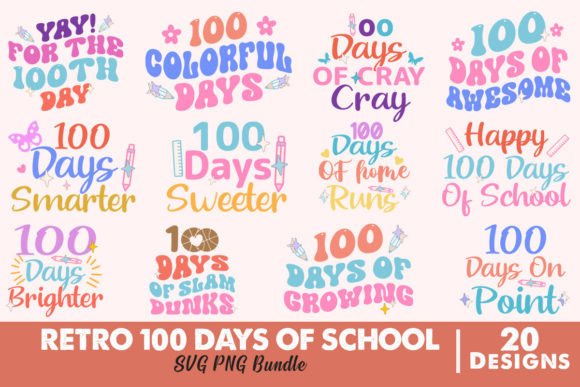
When you download a bundle like this Retro 100 Days of School SVG PNG Bundle, the immediate question for an embroidery designer isn’t just about the files. It’s about the project. What will this look like when it’s actually stitched out? How will it behave on fabric? And ultimately, will the finished product resonate with a customer? Let’s walk through that evaluation.
The First Impression: More Than Just Nostalgia
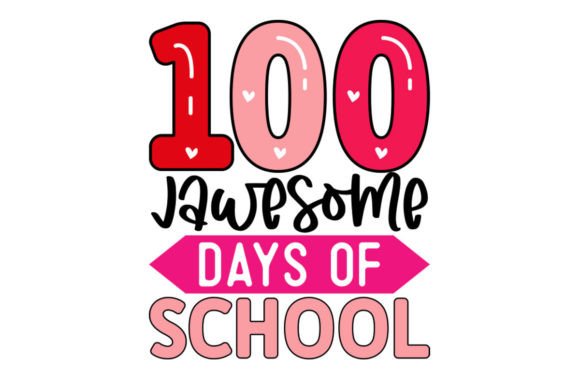
Opening this bundle, the retro theme isn’t subtle. It’s a cheerful, vintage nod to school days, full of rounded typography and classic graphic shapes. The mood is celebratory and warm, perfect for commemorating a milestone. The layout tends to be clean and graphic, which is a significant advantage for embroidery. You’re looking at designs that translate into distinct shapes rather than overly intricate, tiny details that can get lost in stitching. This visual personality feels tailored for items meant to be seen and enjoyed—a tote bag at a school function, a sweatshirt for a proud student, or a decorative pillow cover in a teacher’s home.
Where This Bundle Excites in Real Embroidery Situations
I picture this design stitched onto a sturdy canvas tote bag. The bold, graphic nature of a retro design holds up beautifully on such a textured fabric; the stitches will have a pronounced, handmade presence. For a small business owner creating merchandise for a school fundraiser or an Etsy seller offering personalized gifts, this is gold. It easily becomes a unique, boutique product.
Baby clothes and blankets are another natural fit. The theme is sweet without being overly juvenile, and on a soft cotton knit, a well-digitized version of this design would make a fantastic personalized gift. For apparel decorators, it’s a strong candidate for sweatshirts and t-shirts—areas large enough to let the design breathe. As a printable mockup or a digital product preview for your craft business listings, the clean PNG files with transparent backgrounds help you showcase the idea instantly to potential buyers.
A Scenario: Preparing a Custom Embroidered Hoodie
Imagine a client wants a custom hoodie for their child’s 100th day of school. You’ve sourced a nice, mid-weight cotton-blend sweatshirt. The retro design from this bundle, with its clear shapes and likely moderate stitch density, becomes your focus. You’re thinking: will the satin stitches on the lettering be smooth? Will the fill stitches in any graphic elements lay flat without puckering? The design’s inherent simplicity suggests good results. The customer’s reaction you anticipate is one of recognition and delight—it’s a clear, professional, and fun embroidery job that elevates a simple garment into a keepsake.
Caution Areas: Where to Apply Extra Care
No design is universally perfect. The potential pitfalls here often relate to scale and fabric. If the design includes smaller text elements, embroidering it on a small hoop size—like for a cap or a tiny patch—could compromise clarity. Those charming retro curves need space.
Stretchy or very thin fabrics, like some t-shirt materials, demand extra stabilizer attention to prevent distortion. Embroidering on dark fabric requires careful thread color choice for contrast; the bundle’s PNG previews are great for testing that digitally first. Detailed corners in the graphics might need a check in the actual embroidery file to ensure smooth stitching paths. And for products destined for frequent washing, like kitchen towels or aprons, you’d want to ensure the stitch density isn’t so high that it becomes stiff and uncomfortable.
The Impact on Your Craft and Business
Using a well-executed design like this affects everything downstream. The stitching clarity directly impacts visual appeal and perceived product value. A clean, crisp embroidered item builds customer trust and reinforces the professionalism of your handmade presentation. For a creative entrepreneur, it can become a consistent, recognizable element in your brand’s lineup of holiday gifts or small shop merchandise. Its giftability is high—it’s specific, sentimental, and feels personal. In a crowded marketplace like a craft fair, such a distinct, well-made item engages buyers immediately.
Practical Designer Notes Before You Hoop Anything
Always, always test the design on scrap fabric first. Use the same material you intend for the final project. This tells you everything about thread color contrast, stitch density, and how small details render. Check your hoop size compatibility. Inspect the design in black and white mockups to understand its form without color distraction.
Compare how it looks conceptually on both light and dark fabric backgrounds using the PNG files. Use proper stabilizer; don’t guess. Crucially, confirm the licensing terms for this bundle before selling finished items or using it in commercial embroidery projects. The description notes it can be used for many tasks, but you must verify the specifics for commercial use. Since exact stitch counts, machine-specific file formats, or exact hoop sizes aren’t provided in the basic description, your due diligence is to check the actual embroidery file you create or purchase from a digitizer for those technicalities.
The Final Stitch: A Bundle Built for Application
This Retro 100 Days of School SVG PNG Bundle, as a graphics product in the Crafts category, provides a strong foundation. Its value isn’t just in the multiple file formats—it’s in the design’s adaptable personality. It feels ready for real work. For the embroidery designer, small business owner, or crafter, it’s a prompt to create something tangible. It asks you to consider fabric, thread, and customer smiles. In the end, that’s what a good design asset does: it transitions seamlessly from a digital file to an embroidered patch on a child’s backpack, to the satisfied nod of a client who sees their idea perfectly stitched into reality.