Why This Fifth Grade Teacher Design Wins for Embroidery Projects
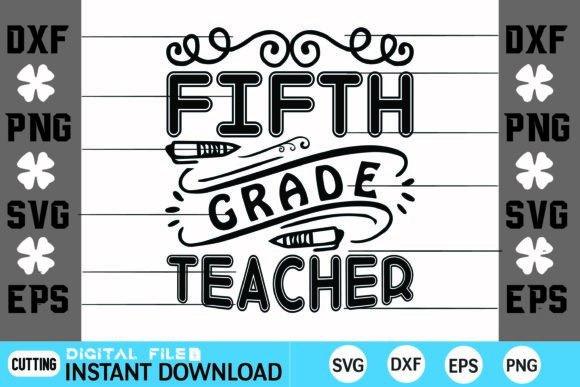
When a new design file lands in my inbox, my first instinct is to imagine it stitched out—not just as a digital preview, but as a physical, tactile piece on real fabric. That’s the true test. Today, I’m looking at the Fifth Grade Teacher Svg Design, and my mind immediately goes to the practical world of embroidery projects. This isn’t about specs; it’s about whether this graphic will translate beautifully into thread and fabric for crafters, small business owners, and anyone creating personalized gifts.
The First Impression: A Warm, Approachable Graphic
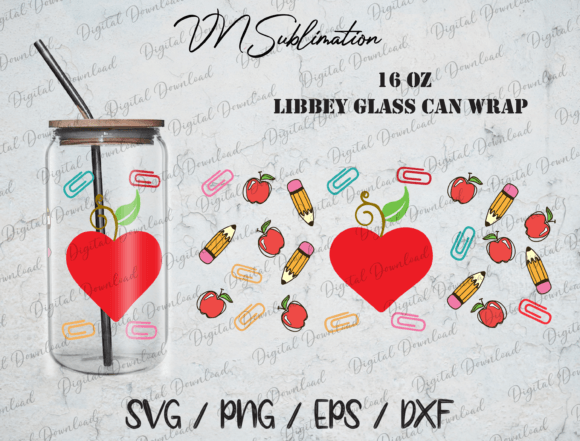
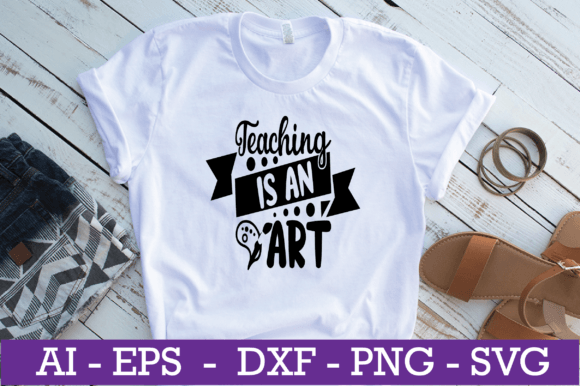
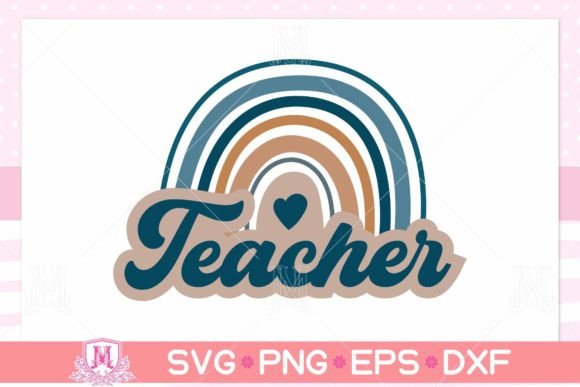
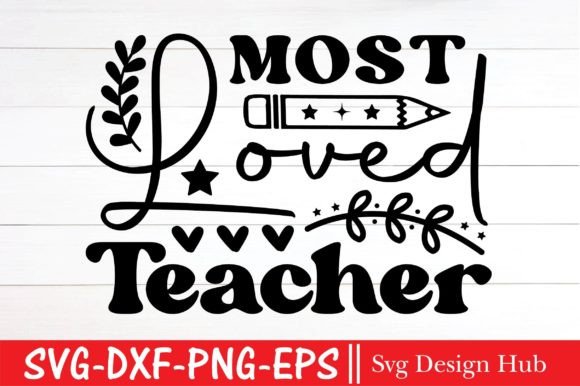
The mood here is clear: friendly, celebratory, and proudly professional. The theme hits that sweet spot between playful and respectful, perfect for honoring a beloved educator. The layout feels balanced, with details that suggest a good level of visual interest without being overly dense. This is a design with a personality that leans toward warmth, making it a natural fit for personalized gifts, custom apparel for the teacher themselves, or boutique items for a school-themed shop.
I picture this on a soft cotton sweatshirt or a sturdy canvas tote bag—projects where the message is central and the recipient’s connection to it is deep. It doesn’t scream “generic”; it whispers “specific appreciation,” which is a powerful starting point for any embroidery project.
Where This Design Shines in Real Use
Let’s walk through a real scenario. Imagine you’re preparing a custom embroidered tote bag as an end-of-year gift from a class. You want it to feel special, handmade, and durable. This Fifth Grade Teacher Svg Design is precisely the kind of graphic that elevates such a project.
- Custom Apparel & Gifts: Sweatshirts, t-shirts, and aprons become instant keepsakes. The design’s clear theme adds significant perceived value and giftability.
- Home & Decor: Stitched onto a pillow cover or a kitchen towel for a teacher’s lounge, it creates a sense of belonging and recognition.
- Small Business Products: For Etsy sellers or craft fair vendors focusing on educator merchandise, this design offers a ready-made, professional design asset for creating consistent listings.
- Patches & Accessories: As an embroidered patch on a backpack or cap, it would hold up well, provided the stitching is managed for density.
The key is the design’s inherent visual appeal and clarity. In embroidery, clean lines and distinct elements mean better stitching clarity—whether you’re using satin stitch for lettering or fill stitches for larger areas. That clarity directly builds customer trust in your handmade presentation.
Considerations for a Perfect Stitch-Out
No design is universally perfect for every fabric or hoop. Here’s where a practical mindset matters. Based on its likely composition, there are places where using this embroidery file requires a bit more care.
- Small Details & Lettering: If the design includes tiny text or intricate corners, you’ll need to choose an appropriate hoop size and stabilizer to prevent puckering or broken stitches.
- Fabric Choice: On very textured, stretchy, or thin fabrics, the design’s integrity could be challenged. A dark fabric background would require careful thread color contrast planning.
- Curved Surfaces: Embroidering this on a cap might require simplifying or ensuring the layout adapts well to the curve.
- Product Durability: For items like baby clothes or items needing frequent washing, you’d want to test stitch density to ensure it remains secure and doesn’t feel overly stiff.
This isn’t a limitation; it’s standard professional practice. Knowing these points helps you match the design to the right project, guaranteeing a beautiful finished product.
Essential Notes for Embroidery Designers & Makers
Before you load the file and start stitching for a client or your shop, run through this quick checklist. It saves time, thread, and frustration.
- Test First: Always stitch the design on scrap fabric of the same type you’ll use for the final project. This reveals everything about stitch density, tension, and detail readability.
- Check Contrast: Review your thread colors against both light and dark fabric backgrounds. Sometimes a digital preview looks different in actual thread.
- Inspect the Details: Hoop it and look closely at the smallest elements in the file. Are they feasible for your machine and chosen hoop size?
- Consider Licensing: If you’re selling the finished items or using the design commercially, confirm the licensing terms provided with the file. This is crucial for craft business integrity.
- Use Proper Stabilizer: This is non-negotiable for maintaining clean edges and preventing fabric distortion, especially on garments or bags.
Applying these steps transforms a good digital file into a reliably excellent embroidered project. It turns a graphic into a product that feels professional and thoughtfully made.
The Final Verdict for Your Creative Projects
The Fifth Grade Teacher Svg Design, from a practical embroidery standpoint, is a strong candidate for a wide range of meaningful projects. Its thematic strength provides immediate buyer engagement—people connect with it emotionally. For embroidery, that connection is half the battle; the other half is technical execution.
When stitched with care on appropriate materials, this design can enhance brand consistency for a small shop, increase the professionalism of your handmade items, and serve as a truly giftable centerpiece. It fits naturally into the Crafts and Graphics ecosystem as a usable, versatile asset.
My recommendation is simple: see it not just as a file, but as a potential bundle of thread on a specific item. Picture it on that tote bag, that teacher’s sweatshirt, that boutique tea towel. If that vision aligns with your project’s purpose, then you have a design worth hooping up and testing. That’s the real review—not on the screen, but in the stitch.