From SVG to Stitches: A Designer’s Review of the Teacher Embroidery Design
When a new design file lands in my library, my first thought isn’t just about its appearance on screen. It’s about how it will translate into thread and texture on a real product. Today, I’m considering the Teacher SVG Design from a purely practical embroidery perspective. This isn’t about the digital file itself, but about the embroidered piece it will become—the mood it creates, the projects it suits, and the stitching realities it presents.
The Immediate Visual Personality: Warm, Clear, and Gift-Ready
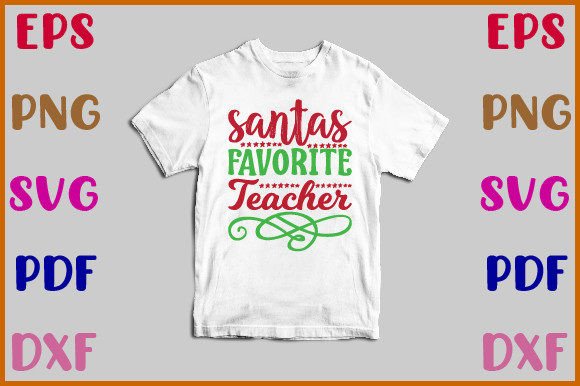
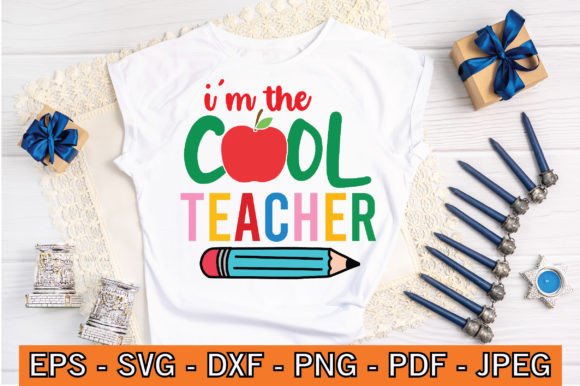
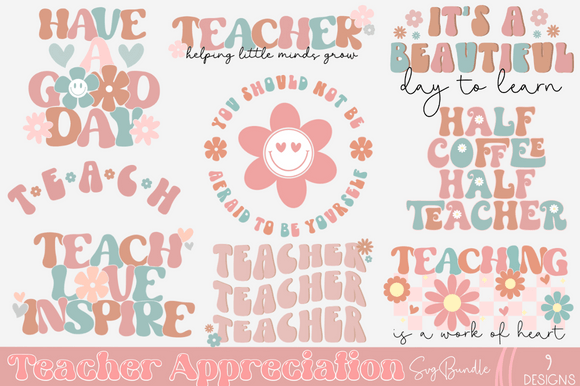
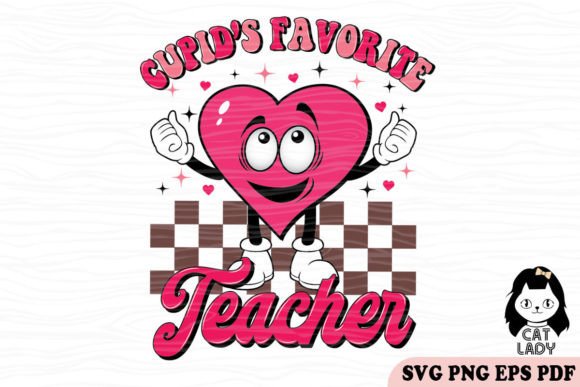
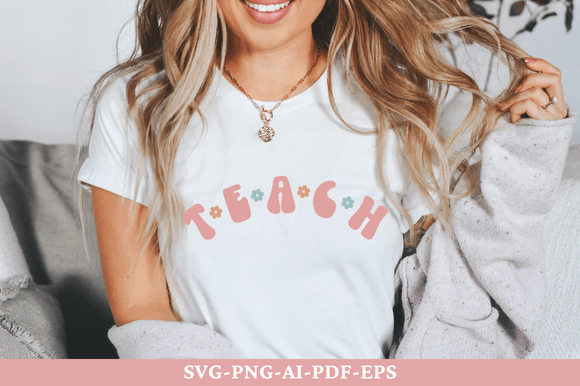
The design’s theme and layout have a friendly, approachable clarity. It doesn’t feel overly ornate or rigidly formal. This visual personality is key. When I imagine this stitched out, I see a design that creates a mood of appreciation and warmth, rather than stern authority. That’s a significant distinction for a handmade product. The detail level appears balanced; it likely won’t drown in overly dense satin stitches nor look sparse with too many open running stitch lines. This suggests it would belong naturally to projects meant as personal gestures or thoughtful merchandise: custom tote bags for a favorite educator, embroidered pillow covers for a teacher’s lounge, or a neatly stitched patch on a denim jacket.
A Real-Life Scenario: Crafting an Embroidered Canvas Tote
Let’s walk through a typical application. Imagine preparing a batch of canvas tote bags for a small shop’s “Back-to-School” collection. Using this Teacher SVG Design, I’d be thinking about hoop size, fabric texture, and final presentation. Canvas has a pronounced weave. A design with very thin lines or tiny serifs could get lost or look broken on that texture. Here, the shapes seem robust enough to hold their own. I’d plan for a medium hoop, use a firm stabilizer, and select thread colors with strong contrast—perhaps a deep navy on a natural canvas. The finished product would feel substantial, giftable, and recognizably “handmade” in the best sense, adding perceived value for a customer.
Performance Across Real Embroidery Situations
This design’s utility stretches across the typical landscape of an embroidery designer or small business owner’s work.
On custom apparel like sweatshirts or t-shirts, it would sit well as a left-chest or full-center motif. For baby items or nursery decor celebrating a teacher-mom, scaling it down carefully for a smaller hoop on a soft cotton would be charming. As an embroidered patch, its clear shapes would make it ideal for applique techniques or a dense fill stitch background, perfect for caps or bags. In home goods like apron pockets or kitchen towels, it adds a personalized, boutique touch. For holiday gifts or wedding gifts for a teacher couple, stitching it onto a pillow cover or blanket corner creates a lasting, professional-looking heirloom.
The design also impacts commercial embroidery projects and digital assets. For an Etsy seller creating printable mockups to sell the finished digital embroidery file, the design’s clean appearance translates well to a product preview, building customer trust. For a creative entrepreneur using it on merchandise for their craft fair booth, it contributes to brand consistency if their shop focuses on celebratory or academic themes.
Where Careful Application is Needed
No design is universally perfect, and practical judgment means identifying its careful-use zones. With any design built from an SVG source, certain embroidery situations require extra attention.
- Small Hoop Sizes: If you need to miniaturize it drastically for a baby hat or delicate corner, check the smallest details. Tiny lettering or intricate corners might need simplification to avoid stitching muddle.
- Textured or Stretchy Fabrics: On thick terrycloth for a towel or stretchy knit for a cap, stitch density and stabilizer choice are paramount. You want the design to hold its shape without puckering.
- Dark Fabric Backgrounds: The design might rely on open spaces. On dark fabric, those spaces become the fabric color itself. Test thread color contrast—sometimes a lighter backing or a full fill stitch behind elements is needed for clarity.
- Products for Frequent Washing: For items like aprons or tea towels that see heavy use, a design with very dense stitch areas might wear differently than surrounding fabric. A balanced density is better for longevity.
The Stitching Clarity & Commercial Impact
How does this Teacher SVG Design affect the final product’s appeal and commercial viability? A well-executed embroidery file elevates the handmade presentation. Stitching clarity—clean edges, distinct elements, no thread breaks—directly influences customer perception. A crisp, professional-looking embroidered item increases product value and buyer engagement. It looks intentional and skillful, not haphazard. For a personalized gift, this enhances its giftability; for a small shop product, it reinforces the seller’s professionalism.
It’s crucial, however, to remember this is a graphics product in the crafts category. Its journey from SVG to stitches involves your expertise as the embroiderer. The file provides the blueprint, but your choices in machine embroidery design execution—thread colors, stabilizer, fabric, and hoop size—bring it to life.
Essential Designer Notes Before You Stitch
Before loading this design for a client project or your own craft business items, here’s my standard review checklist:
- Always test on scrap fabric first. Use the same material and stabilizer you plan for the final product. This reveals how stitch density translates and if any details get lost.
- Check thread color contrast against both light and dark fabric backgrounds. Create simple black and white mockups on your design software to preview the silhouette.
- Review the design’s layout for your intended hoop size. Ensure it fits comfortably without forcing excessive scaling.
- Inspect small details and corners. Look for any areas that might become too thick with satin stitch or too fragile with a running stitch.
- Confirm licensing before selling finished items. While the product description mentions suitability for various projects, the responsibility lies with you to verify the terms for commercial use of the finished product or digital embroidery file.
- Use proper stabilizer for the fabric. This is non-negotiable for maintaining the design’s integrity on textured, thin, or stretchy surfaces.
Embroidery is a translation process—from digital graphic to tactile art. The Teacher SVG Design offers a strong, warm foundation for that translation. When approached with these practical considerations, it becomes more than a file; it becomes the heart of an appreciated custom apparel piece, a cherished personalized gift, or a standout item in your handmade shop merchandise. Your skill as the embroiderer meets its potential as a design asset, resulting in a finished product that truly stitches appreciation into every thread.