I’m the Cool Teacher Embroidery Design Review
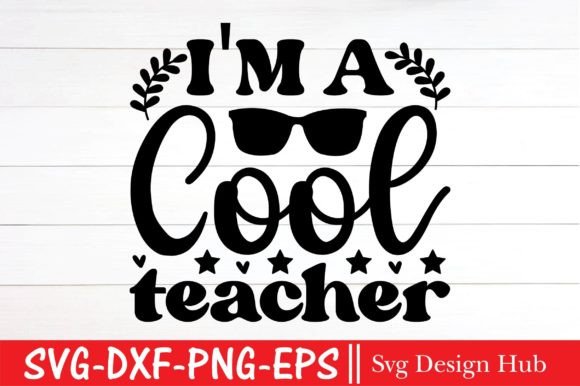
When an SVG file named I’m the Cool Teacher lands in my library, I’m not just looking at a graphic; I’m thinking about how it will live as stitches on fabric. This is the crucial difference between a digital asset and a tangible embroidered product. As a designer who regularly translates files into client gifts and shop merchandise, my review is grounded in that reality.
The Immediate Mood and Where It Belongs
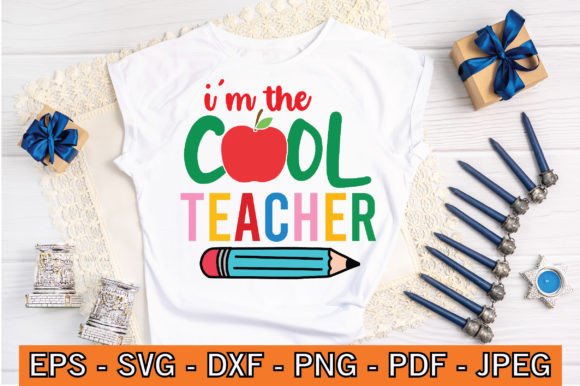
First impressions matter, both for me as the maker and for the eventual recipient. This design immediately communicates a playful, confident, and slightly cheeky personality. The layout, with its bold statement, feels like it’s meant to be worn or displayed proudly. It doesn’t whisper; it declares. This isn’t a generic graphic—it has a specific voice. For embroidery, that means it naturally belongs on items meant for a teacher, or someone with that mentoring spirit, to showcase that identity with humor and pride. Think custom sweatshirts, tote bags, or aprons for a favorite educator, or even a fun patch on a denim jacket.
A Real Scenario: Crafting a Gift Tote Bag
Let’s walk through a typical use case. Imagine you’re preparing a personalized gift for a teacher at the end of the school year. You choose a sturdy canvas tote bag. You load the I’m the Cool Teacher design, select your hoop size, and thread colors. Here’s where practical judgment starts. The design’s clarity is key—will the lettering stitch out cleanly on a textured fabric like canvas? The boldness of the statement suggests using a solid satin stitch or a crisp fill stitch for the main text to ensure it pops visually and withstands the use a tote bag will get.
Performance Across Real Embroidery Projects
This design isn’t limited to one item. Its theme makes it versatile for a range of products in a craft business or for personal projects.
- Custom Apparel: On a sweatshirt or t-shirt, it becomes a statement wear. The scale needs to be right—too small on a large hoodie might lose impact.
- Baby & Nursery Items: On a baby blanket or a child’s bib for a teacher’s new baby? It becomes a wonderfully personal gift, though stitch density should be adjusted for softer fabrics.
- Home Goods: Embroidered on a pillow cover or kitchen towel, it transitions from wearables to decor, offering a different kind of product for an Etsy seller or boutique.
- Patches & Caps: As an embroidered patch, it offers great flexibility. On a cap, the curved surface requires careful stabilization, but the design’s likely bold lines should handle it well.
- Commercial & Gift Projects: For small shop merchandise or holiday gifts, it adds immediate recognition and giftability. Customers connect with the relatable, fun message.
Where This Design Requires a Careful Approach
No design is perfect for every scenario. Here’s where I’d proceed with caution.
- Very Small Hoop Sizes: If you try to shrink it down excessively for a tiny item, the detail and clarity of the lettering could become compromised.
- Highly Textured or Stretch Fabrics: On very nappy or stretchy materials, the clean edges of the design might need extra stabilizer support to look sharp.
- Dark Fabric Backgrounds: Thread color choice becomes paramount. You might need a bright, contrasting thread or even a backing to ensure the message stands out boldly.
- Products for Frequent Washing: On items like everyday tea towels, using robust stitches and quality thread will ensure the design’s personality lasts.
The Impact on Your Craft and Business
Using a design like this isn’t just about the stitch-out; it’s about the final product’s appeal and value.
It boosts visual appeal through its confident personality. Stitching clarity is everything—a well-executed version of this on a product makes it look professionally made, building customer trust. For a handmade presentation, it feels intentional and specific, which is better than a generic pattern. For a creative entrepreneur, it can fit into a brand consistency if you specialize in playful, personalized gifts. Its inherent giftability and recognition directly affect buyer engagement—people know exactly who it’s for and why it’s charming.
Practical Notes for the Embroidery Designer
Before you commit this to a final project, especially for client work or items to sell, do your homework. These steps separate a hobbyist from a professional.
- Test on Scrap Fabric First: Use the same material you plan for the final product. Check for puckering, stitch density issues, and how small details render.
- Check Thread Color Contrast: Run mental or digital mockups on both light and dark backgrounds. The design’s impact depends on this.
- Review Hoop Size & Stabilizer: Match the physical constraints of your project. A tote bag might need a different approach than a baby bib.
- Inspect the Design File: Since this is a digital download for use with various programs, ensure the paths are clean and suitable for creating your embroidery file. Look for any tiny corners or details that might be challenging to stitch.
- Confirm Licensing for Your Use: The product description specifies it’s a digital download. If you are creating finished items to sell commercially, you must verify the license terms included with the file. Never assume.
- Consider Both Personal and Commercial: This design has clear applications for both. Understanding its license clarifies your path.
In the world of crafts and graphics, an SVG file is a starting point. The I’m the Cool Teacher design is a strong, personality-driven starting point. Its success hinges on your skill in translating that digital asset into a tactile, well-crafted embroidered product. When done thoughtfully, it becomes a gift or product that truly resonates, because its message isn’t just stitched—it’s felt.