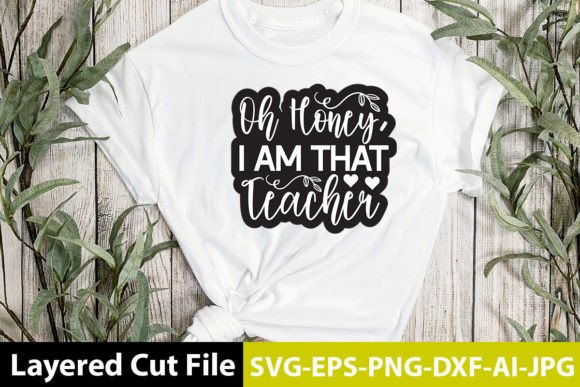
Evaluating the Grateful Thankful Teacher SVG for Embroidery
When I see a design like the Grateful Thankful Teacher SVG, my first thought isn't about the file itself—it’s about the stitch. I'm immediately visualizing how it will translate from a crisp screen to the textured, tactile world of fabric. This design, with its clear sentiment and celebratory theme, has a warm, appreciative mood. It feels personal and direct, a hallmark of a design meant for a gift or a custom product. The layout and composition suggest it’s built for clarity, which is crucial when embroidery turns digital lines into physical threads.
Where This Design Finds Its True Home
I picture this on an apron for a teacher retiring after decades in the classroom, or embroidered neatly onto the corner of a linen tea towel as part of a heartfelt gift basket. It’s a natural fit for the kind of personalized, meaningful items that define a craft business. For an apparel decorator, it would sing on a classic sweatshirt or a canvas tote bag—products that carry the message well. In a boutique setting, this design could anchor a line of teacher appreciation gifts, from embroidered pillow covers to simple patches ready for a jacket.
The strength here is its universal appeal. It’s not overly ornate, which means it won’t get lost in dense stitch areas. It feels like it would maintain its visual personality on everything from a baby’s blanket meant for a teacher’s new child to a custom cap for a coach. For Etsy sellers and digital product sellers, this SVG is a solid design asset for creating printable mockups or offering as part of a commercial embroidery file bundle, provided licensing permits.
Navigating the Practical Stitching Landscape
In real-life embroidery situations, a design’s simplicity is often its savior. This one looks like it would handle conversion to an embroidery file with grace. The lettering and theme are likely to remain clear on custom apparel, avoiding the muddiness that can happen with overly detailed scripts on fabrics like t-shirts. On tote bags or aprons, with their more stable texture, it should stitch out with clean definition.
However, the practical judgment comes in with scale and fabric choice. On small hoop sizes, any tiny lettering within the design needs to be scrutinized—it might require adjustment to prevent thread bunching. I’d be cautious with highly textured fabrics or stretchy fabric like certain knit sweatshirts; a good stabilizer would be non-negotiable here. Dark fabric presents its own challenge, demanding high contrast thread colors to keep the grateful message bright and readable. And on curved surfaces like caps, the design’s layout would need to be tested to ensure it doesn’t distort at the seams.
The Impact on Your Project and Your Customer
Using a design like this isn’ just about the stitch count; it’s about the story it completes. When embroidered well, it elevates the product value. It turns a simple kitchen towel into a cherished gift. For a handmade presentation, clarity translates to customer trust—they see a clean, professional finish. It aids brand consistency for a small shop specializing in appreciative gifts, and its giftability is inherent. The recognition is instant: this is for a teacher, a mentor, a guide. That direct communication engages buyers looking for something specific and sincere.
For commercial embroidery projects, such a design can become a reliable, repeatable asset. But its visual appeal hinges entirely on execution. Dense stitch areas, if present, must be managed to avoid a stiff, heavy feel on lighter garments. Decorative accents need to be tested to ensure they don’t compromise the overall stitching clarity.
A Designer’s Pre-Stitch Checklist
Before I’d ever load this Grateful Thankful Teacher SVG for a client project, my process is methodical. Always test the design on scrap fabric first, ideally the same material as the final product. This reveals everything: how the thread color contrast truly works, whether the stitch density feels right for the fabric weight, and if any small details become problematic.
Confirm the hoop size needed for the intended product—a baby item might need a smaller hoop than a pillow cover. Check it in black and white mockups to understand its form without color, and compare how it performs on light and dark fabric backgrounds digitally before stitching. Use the proper stabilizer; don’t guess. Crucially, check whether the design’s licensing clearly works for both personal and commercial projects. Never assume. If you’re selling finished items or digital products, this confirmation is the bedrock of your business ethics and legality.
For crafters and makers, this design is a promising starting point. It carries a mood that resonates. Its potential on embroidered patches, holiday gifts, or nursery decor is clear. But its success lies in your hands—in the preparation, the testing, and the thoughtful application to a product that fits its sincere, thankful voice.