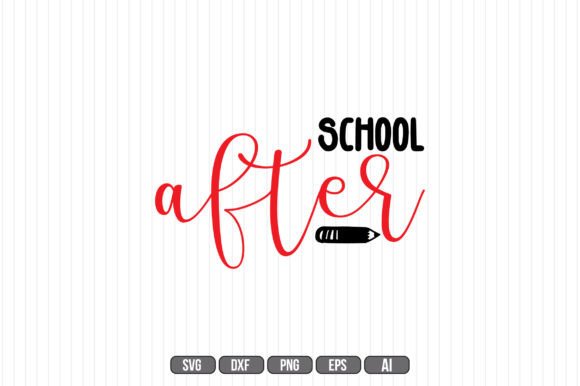
After School SVG: A Designer's View from the Hoop
When I open a new embroidery design file, my first question is always: where does this belong? I’m not just looking at lines on a screen; I’m imagining stitches on fabric, a product in a customer’s hands, and the story it tells. The After School SVG bundle landed in my workflow with a specific, charming personality. It doesn’t shout; it quietly suggests a world of nostalgic, gentle projects.
The Quiet Charm of a Nostalgic Theme
The first impression is one of soft familiarity. The theme evokes a specific mood—not loud or trendy, but cozy and personal. The layout and detail level feel perfectly balanced for embroidery; there’s a clarity in the shapes that promises good stitching definition without overly dense areas that could bog down on certain fabrics. This isn’t a bold logo for a cap, but rather a thoughtful design for a personalized gift or boutique product. Its visual personality leans into warmth, making it a natural fit for items meant to feel handmade and cherished.
Where This Design Naturally Lives
In real-life embroidery situations, I immediately pictured this on a soft cotton tote bag or the corner of a linen pillow cover. It would shine on a child’s sweatshirt or a simple apron—projects where the charm is in the subtlety. For a craft business or Etsy seller, it’s a strong candidate for nursery decor, like a small blanket or a keepsake, or as a sweet addition to a kitchen towel set. As a digital embroidery file, its provided vector formats mean it’s easily resized for a printable mockup or to adapt from a large tea towel to a smaller baby bib without losing integrity.
For commercial embroidery projects or small shop merchandise, it adds a value-through-feeling. A boutique might use it on a limited-run sweatshirt to build brand consistency around comfort and care. As an embroidered patch, it could become a lovely decorative accent on a canvas backpack. Its appeal isn’t in flashy recognition, but in the trust and engagement it builds with customers who appreciate thoughtful, well-executed handmade presentation.
Scenarios That Make Sense
Let’s walk through a real case. I’m preparing a custom embroidered tote as a holiday gift. I choose a natural canvas. I want the design to be sizable but not overwhelming. The After School SVG, being a quality vector file, resizes cleanly. I test a medium scale on my software, checking that the smaller decorative elements won’t turn into a blur of satin stitch. I imagine the finished product: the stitches will have clarity, the theme feels universally welcoming, and the gift feels special because the design choice was intentional, not generic. For an Etsy seller listing a similar item, this design directly supports a story—the “after school snack tote,” the “cozy reading pillow”—enhancing the product’s value.
Careful Application: Where to Pay Attention
No design is universally perfect, and practical judgment means knowing its limits. With this design, I’d be cautious on very small hoop sizes if the resized version includes tiny lettering or intricate corners—they might need simplification. Textured fabrics like thick sweaters could lose some detail, so a simpler fill stitch area might be preferable. On stretchy fabric or thin, delicate material, the stitch density must be matched with the right stabilizer to prevent puckering.
Dark fabric backgrounds require a thoughtful thread color contrast plan; some of the lighter, delicate implied tones in the design might need to be adjusted to pop. Embroidering on curved surfaces like caps would demand a careful layout adjustment to ensure the design’s orientation feels natural. And for products destined for frequent washing, like baby clothes, I’d ensure the design isn’t so dense that it becomes stiff or uncomfortable.
How It Elevates the Finished Product
From a professional standpoint, using a well-built design like this affects everything downstream. Stitching clarity is paramount; a clean vector file means clean paths for my machine, leading to a precise embroidered patch or apparel decoration. That precision translates to customer trust—the product looks professional, not haphazard. For a creative entrepreneur, this supports brand consistency; if your shop’s mood is gentle and nostalgic, this design fits that voice perfectly.
The giftability skyrockets because the design feels coherent and complete. It’s not just a random graphic; it’s a theme. In a market saturated with basic motifs, this offers a slightly deeper narrative, which can increase buyer engagement in your craft business listings. The handmade presentation feels intentional, moving beyond a simple technical applique design to something with a personality.
A Designer’s Practical Notes Before You Stitch
Before I commit any design to a final project, my routine is rigid. For the After School SVG, I would strongly advise:
- Always test the embroidery file on scrap fabric of your target material first. This reveals how satin stitches or fill stitches behave.
- Check thread color contrast against both light and dark fabric backgrounds. Create simple black and white mockups to see the form without color bias.
- Review the stitch density at your chosen size. Does it feel appropriate for a baby embroidery item versus a sturdy tote bag?
- Confirm your hoop size can accommodate the design comfortably, paying special attention to any detailed corners.
- Use proper stabilizer for your specific fabric texture; this is non-negotiable for quality results.
- Crucially, since this bundle includes multiple formats (SVG, DXF, PNG, EPS, PDF) for graphics use, confirm the licensing terms before selling finished items or using it as a digital product asset in commercial embroidery. The description notes it’s a 100% vector file, easy to color change and resizable, which is excellent for flexibility, but the license for finished products is something you must verify independently.
The Final Take: A Versatile Asset for Meaningful Projects
The After School SVG isn’t a one-size-fits-all blast of color. It’s a nuanced tool. Its strength lies in its adaptability and the specific, cozy mood it carries. For the embroidery designer tackling client projects for personalized gifts, or the small business owner building a line of heartfelt merchandise, it provides a solid, reusable design asset. It encourages you to think about the story behind the sweatshirt embroidery, the baby embroidery on a keepsake, or the holiday embroidery on a festive towel.
When you choose a design, you’re choosing the soul of your finished product. This one has a quiet, appreciable soul. Handle it with the practical care of testing and preparation, and it will repay you with stitches that look intentional, products that feel valuable, and projects that resonate beyond the hoop.