An Embroidery Designer's Take on "I Survived 100 Days of School"
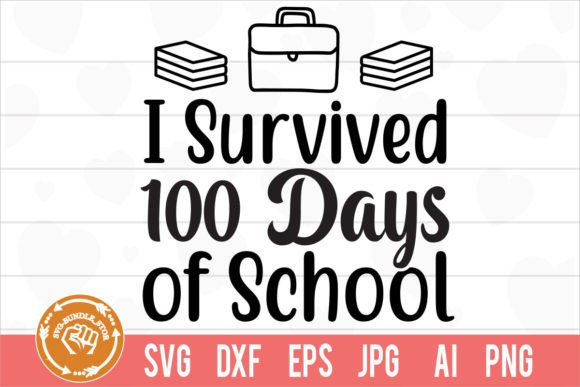
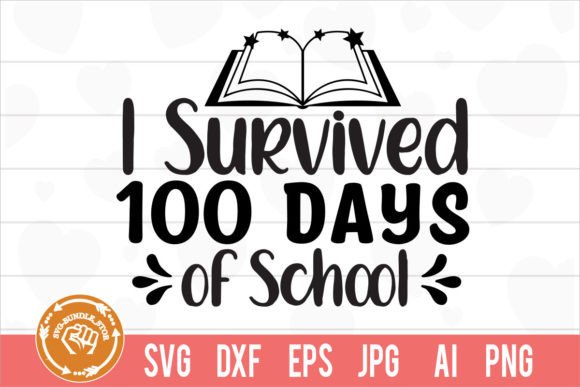
When a design file like "I Survived 100 Days of School Svg Cut" lands on my screen, my first thought is always about context. Where would this live in the real world? What kind of fabric would give it the best home? This design, with its bold, celebratory statement, immediately feels like a victory banner. It’s playful and proud, a perfect snapshot of a child’s milestone. The layout is straightforward, which is a strength for embroidery; the clarity of the message won’t get lost in translation from screen to stitches.
The Perfect Project: Where This Design Finds Its Heart
I picture this on a child’s sweatshirt or a tote bag for a teacher. It has that handmade, personalized gift energy that resonates deeply. For a craft business, it’s a seasonal staple—think back-to-school markets or Etsy shops specializing in teacher and student gifts. The theme is specific, which is great; it speaks directly to a celebratory moment, making it an excellent choice for custom apparel meant for that 100th-day party or as a keepsake. I’d lean towards applying it on sturdy, everyday items: a denim jacket patch, a canvas apron for a classroom aide, or the center of a pillow cover for a child’s room. It feels communal and fun.
Considering the Stitch: Practical Performance on Fabric
In real embroidery situations, the success of a design hinges on its adaptability. The provided Ai and SVG files suggest a vector-based design, which is excellent for scaling. This means you can likely adjust it for a small hoop for a baby bib or a larger one for a blanket without losing the sharpness of the lettering. However, the phrase "Word By Layer" in the description makes me pay close attention. This often indicates the text might be broken into individual elements or layers. For embroidery, this can be a benefit, allowing for careful color placement and stitch type assignment, but it also demands a thorough inspection in your software before stitching. You’ll want to check the layering and grouping to ensure the design flows as one cohesive piece when stitched.
For machine embroidery, the "I Survived" text, likely the boldest part, would work beautifully with a satin stitch for a clean, shiny look. The supporting details might use a fill stitch. On textured fabrics like sweaters or thick tote bag material, you’ll need a robust stabilizer to keep those details crisp, especially on the smaller lettering of "100 Days of School." On curved surfaces like a cap, the design’s horizontal layout might require careful positioning to sit correctly on the curved panel.
Where This Design Demands a Careful Approach
Its bold, declarative nature is its strength, but that also points to its careful-use zones. On very small items—like a tiny patch on a baby sock—the full phrase might become too dense and lose readability. Similarly, on stretchy fabric like a thin t-shirt, the stitch density needed for clear text could compromise the fabric’s flexibility if not stabilized properly. Dark fabric backgrounds will require thoughtful thread color choices to maintain the design’s cheerful, lighthearted mood; a white or bright yellow satin stitch on a dark blue sweatshirt could look fantastic.
The potential for small details, particularly in the numbers or the word "of," means you should always, always test this design on scrap fabric first. Run a sample using the exact fabric and stabilizer combo you plan for the final product. This reveals how the stitch density interacts with your material and confirms whether any tiny corners or tight spaces in the design file translate cleanly into stitches.
From File to Finished Product: Impact on Your Craft
Using a well-structured file like this affects more than just the stitch quality; it impacts the entire perceived value of your finished product. For a small business owner, a clean, professionally embroidered item with a fun, relevant design builds customer trust. It shows attention to detail. For a personalized gift, it elevates the item from generic to meaningful. The design’s recognizability—it taps into a common school celebration—creates instant engagement. A parent or teacher sees it and immediately connects.
For commercial embroidery projects, such as producing a batch of tote bags for a school fundraiser, this design offers clear, scalable assets. The SVG format is widely compatible, allowing for use in digital product previews or printable mockups for your Etsy listings, which helps customers visualize the final product. However, a crucial note: the product description states "Digital Download Only" and lists the files, but does not specify licensing terms. Before selling any finished items or products using this design, you must confirm the licensing. Is it for personal use only, or does it include commercial use? This is a non-negotiable step for any craft business or digital product seller.
A Designer’s Final Notes Before You Hoop the Fabric
My process with any new embroidery file, including this one, involves a few key checks. First, I open the files in my software and look at the layering. I test the design in a black-and-white mockup to see how it holds up without color, which helps plan thread contrast. I consider both light and dark fabric backgrounds and maybe even sketch out a few thread palettes—bright primaries for a child’s item, more subdued tones for a teacher’s accessory. I confirm the hoop size my project requires and ensure the design scales appropriately without distorting.
Then, I think about the product’s life. Will this be on a kitchen towel that gets washed frequently? If so, I might choose robust thread types and a stitch setting that anchors well. Is it for a boutique’s baby line? Then soft fabrics and delicate stitch density become priorities. "I Survived 100 Days of School Svg Cut" is a design with a clear purpose. It’s a graphic with a story. When embroidered onto real fabric with care, it becomes a tangible celebration. That transformation—from digital file to handmade product—is where the real magic happens for us makers.