A Designer's Practical Review of the Hello School SVG File
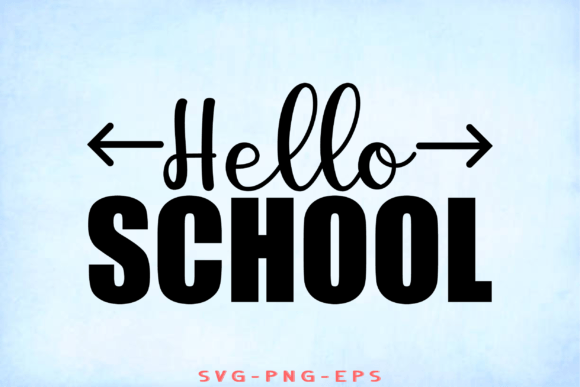
As someone who spends their days evaluating designs for real embroidery work, I see a lot of files that look great on a screen but fall apart in the hoop. My first task with any new file is to imagine it not as pixels, but as stitches. When I opened the Hello School SVG ready file, that mental translation began immediately. This isn't just a graphic; it's a blueprint for a handmade product.
The First Impression: Where This Design Naturally Belongs
The Hello School design carries a specific, friendly mood. It’s clean, straightforward, and uncluttered. The visual personality feels celebratory and inclusive, perfect for marking a milestone. My mind instantly went to a practical scenario: a client requesting a custom embroidered tote bag as a gift for a teacher. This design, with its clear lettering and simple layout, would be a perfect focal point. It wouldn't fight with the fabric texture of a canvas tote, and the message would be instantly recognizable from a distance—a key consideration for any product meant to be used and seen.
Beyond that initial tote bag idea, the design’s theme suggests a wide range of applications. It naturally fits baby items like a personalized bib or burp cloth for a new mom returning to work, a patch on a child’s backpack, or even a simple, sweet embroidery on a kitchen towel for a school fundraiser. Its strength is in its versatility for projects that require clear, positive messaging.
Performance in Real-Life Embroidery Situations
In practical use, a design like this succeeds or fails based on its clarity in stitch form. For custom apparel like sweatshirts or t-shirts, the open, readable layout means satin stitches for the letters can be bold and clean without overcrowding. On a cap, the design’s likely proportions would need consideration for the curved surface, but the lack of extreme fine detail is a benefit here. For patches, aprons, or pillow covers, it translates into a professional-looking finished product because the elements aren't too dense.
For craft business owners and Etsy sellers, this is a digital asset that can anchor multiple products. The same Hello School file could be used to create a cohesive line: an embroidered baby onesie, a tea towel, and a decorative pillow for a nursery. That brand consistency is valuable. When a customer sees the same clean design across different items, it builds trust in your handmade presentation. For holiday gifts or personalized products, this design’s giftability is high—it feels special without being overly complicated.
Where to Apply Extra Care During Stitching
While the design appears forgiving, a professional always notes potential pitfalls. Any embroidery file with lettering, however simple, demands attention on small hoop sizes. If you're trying to miniaturize it for a tiny item, the stitch clarity of the text might suffer. On textured fabrics like a knit blanket, the fill areas need a good stabilizer to keep the shape sharp. On dark fabric, thread color contrast becomes paramount; a white or bright satin stitch would be essential to maintain the cheerful mood.
On stretchy fabric, like a t-shirt, the layout's stability is good, but you must still use the correct stabilizer to prevent puckering. For products destined for frequent washing, like baby clothes or kitchen linens, you'd want to test the stitch density to ensure it's robust enough not to degrade. The design doesn’t have dangerously dense areas or intricate decorative accents that could snag, which is a positive point for durability.
How This Design Affects Your Project's Value
Using a well-executed digital embroidery file directly impacts buyer engagement. A clean, stitched Hello School design on a product looks intentional and professional. It elevates a simple tote bag from a generic item to a personalized gift. For small shop merchandise, this increases perceived value. For commercial embroidery projects, like a batch of caps for a school event, it ensures a uniform, quality result that enhances recognition.
The design’s visual appeal in stitch form hinges on execution. Its straightforward nature means your skill in choosing thread colors and fabric becomes the hero. A crisp white on a navy sweatshirt, or a pastoral pink on a light grey baby blanket, can make the final product truly sing. It’s a design that supports your craftsmanship, rather than hiding it.
Essential Designer Notes Before You Hoop It
Before running this machine embroidery design for any client project or craft fair product, do the standard due diligence. First, test it on scrap fabric that matches your final material. This lets you review stitch density and inspect how small details, like the interior of letters, translate. Check it in both light and dark fabric backgrounds to plan your thread palette.
Always confirm the hoop size needed for your specific machine to accommodate the entire design comfortably. Since the product description notes the files are suitable for use with Cricut and Silhouette, it’s clearly aimed at digital cutting and embroidery. However, you must check the specifics of your embroidery software compatibility and, crucially, the licensing terms. The description doesn’t specify license details, so it is imperative to confirm whether the Hello School SVG file is cleared for commercial use before selling finished items or incorporating it into your digital product previews and printable mockups.
Ultimately, the Hello School SVG ready file presents itself as a solid, versatile graphics asset in the Crafts category. From my point of view as a designer, its real value is unlocked when you think past the download and envision it as stitches on a real product. It’s a design that asks for good technique and offers a clear, positive result—a reliable partner for your next embroidery project.