A Practical Review of the 100 Days School SVG Design
Every embroidery designer knows the feeling: you're scrolling through digital design bundles, searching for something with real project potential. You want a design that isn't just a cute file on a screen, but a stitchable idea that translates beautifully into a finished product. Today, I'm evaluating the 100 Days School SVG design from that very perspective, imagining it hooped and running on my machine for a real client project or a piece for my small shop.
The First Impression: A Celebration in Shape and Theme
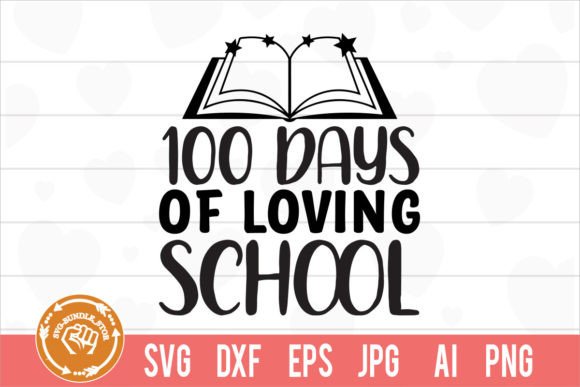
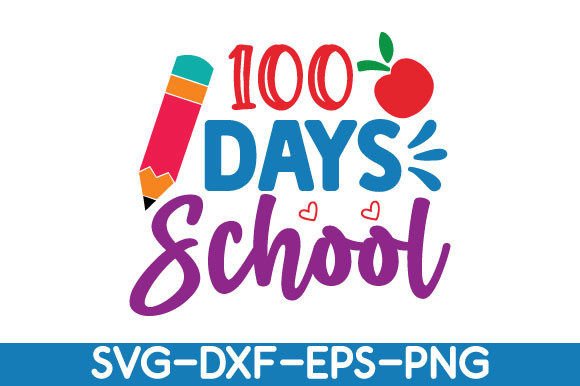
Opening this file, the immediate mood is celebratory and milestone-oriented. The layout, with its prominent "100 Days," feels like a badge of achievement. This isn't a subtle, minimalist graphic; it's a statement piece meant to be noticed. The visual personality is clear and direct, perfect for commemorating a specific event. For embroidery, this translates into a design that belongs on items meant to be personalized gifts or custom apparel celebrating that school milestone. Think of a child’s sweatshirt, a tote bag for a teacher, or a decorative pillow for a classroom.
Where This Design Naturally Finds Its Home
In practical use, the 100 Days School SVG would shine on several key products. I immediately pictured it as a bold centerpiece on a cotton canvas tote bag—a useful gift for a parent or educator. On a baby onesie or toddler t-shirt, it becomes a sweet keepsake. For a craft business or Etsy seller, this design could anchor a whole product line: embroidered patches for jackets, aprons for a classroom volunteer, or even a simple, framed hoop art piece for a nursery or office. Its clear theme makes it highly giftable and easily recognizable, which boosts buyer engagement in a handmade shop.
Performance in Real-Life Embroidery Situations
Let’s get into the nitty-gritty of how this embroidery file would perform. I’m considering a real scenario: preparing a custom embroidered sweatshirt as a holiday gift for a teacher. The design's large, bold numerals and text suggest it would require a decently sized hoop. The details in the accompanying elements (like the stars or celebration accents mentioned in the theme) need careful consideration for stitch clarity. On a medium-weight sweatshirt fabric, with proper stabilizer, the satin stitch areas for the numbers should look clean and professional, adding real value to the finished product.
For baby embroidery on a knit fabric, the stitch density would be crucial to prevent puckering. On a tote bag, the design would be sturdy and eye-catching. When used for a printable mockup to market the digital product itself, the high-resolution PNG provided would be essential for presenting a professional preview. For commercial embroidery projects, like a batch of caps for a school event, the design’s straightforward theme ensures brand consistency for the organization.
Caution Zones: Where to Use This Design Carefully
Any experienced designer thinks about limitations. This design, with its likely larger central elements, should be used carefully on very small hoop sizes. Those potential detailed corners and any tiny lettering within "School" could become muddy if scaled down too much. Textured fabrics like thick towels might obscure clean edges. On dark fabric, thread color contrast is paramount—a white or bright fill stitch would be necessary for visual appeal.
Stretchy fabrics and curved surfaces like caps require extra stabilizer and possibly adjusting the stitch density. For products that need frequent washing, such as kitchen towels or baby clothes, ensuring the embroidery is secure and using quality thread is non-negotiable to maintain customer trust in your handmade product. Layered garments with seams might present hooping challenges for a design of this scale.
Affecting the Final Product: From Stitch to Perception
The success of an embroidery project hinges on how the digital file translates into thread. The 100 Days School SVG, when stitched well, directly boosts the perceived product value. A clean, crisp rendition on a tote bag feels boutique-quality. On a child’s item, it enhances the giftability, making it feel special and commemorative. For a small shop product, this professionalism increases buyer engagement and can lead to repeat customers who appreciate the craftsmanship.
It’s a design that tells a story, which is powerful for personalized gifts. That recognition factor—everyone understands the "100 Days" milestone—makes it an easy sell at craft fairs or in Etsy listings. It fits a niche without being overly obscure.
Practical Notes for the Embroidery Designer
Before running this machine embroidery design, my standard practice applies. Always test the design on scrap fabric first, using the same material as your final project. Check thread color contrast against your background fabric—do a quick mental mockup in both light and dark scenarios. Review the stitch density in your software; if the file doesn’t specify a stitch count, you need to see how dense the fill stitches are to avoid fabric distortion.
Confirm your hoop size can accommodate the design comfortably. Inspect the small details in the provided PNG file to gauge their feasibility for stitching. Use proper stabilizer for your chosen fabric. Crucially, check the licensing terms for this digital embroidery file. The product description notes it comes as a bundle for crafts and graphics, but you must confirm whether it’s licensed for commercial use if you plan to sell the finished embroidered items or use it in your craft business. Never assume.
Finally, this design feels like a solid design asset for a specific, popular occasion. It’s not an everyday graphic, but for that purpose, it has clear project potential. Its strength is in its thematic clarity, making it a reliable choice for a thoughtful gift or a commemorative small shop merchandise item when embroidered with care and attention to the practical details of the stitch.