My First Day of School: A Designer’s Embroidery Review
As someone who regularly evaluates embroidery designs for my own work and for fellow crafters, I approach each file with a practical eye: how will this actually look when stitched out? Today, I’m considering My First Day of School SVG Cut File. This is more than a cute graphic; it’s a potential centerpiece for a whole category of heartfelt, handmade projects.
The Immediate Mood: Sweet, Simple, and Sentimental
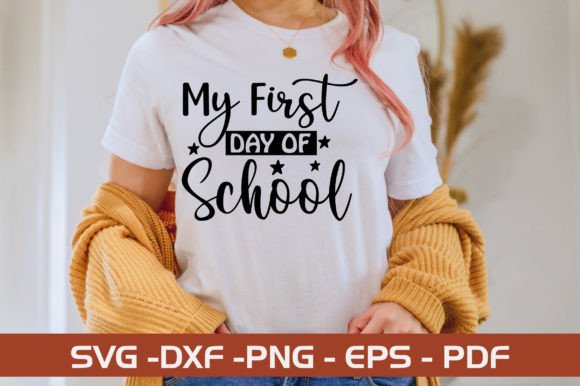
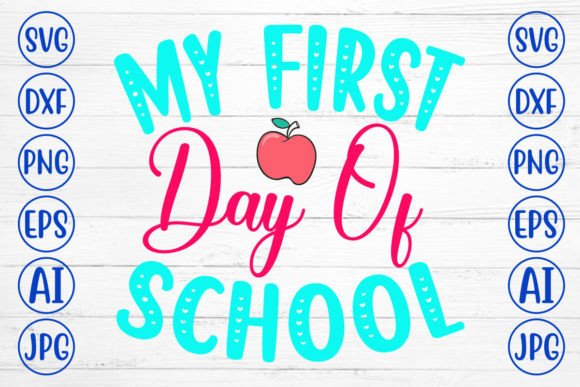
The first impression of this design is its clear, sentimental theme. It evokes that universal milestone, making it instantly relatable. The layout, likely with clean, bold lettering and accompanying illustrative elements, suggests a design built for visual clarity. This is crucial for embroidery, where overly intricate details can get lost in stitch translation. The personality feels warm and celebratory, not cluttered or overly whimsical. It naturally belongs to projects meant to be keepsakes: personalized gifts, custom apparel for a little one, or nursery decor.
Where This Design Excels in Real Embroidery Projects
Let’s picture a real scenario. You’re preparing a custom embroidered tote bag for a client whose child is starting kindergarten. They want something unique, not a generic store-bought item. You load My First Day of School SVG Cut File. The clean lines and likely layered composition mean it will translate well into satin stitches for text and fill stitches for any decorative elements. It’s perfect for that tote bag, a baby’s sweatshirt, or a commemorative pillow cover.
This design shines across a range of embroidery projects aimed at personalized gifts and small business merchandise. Think of it on:
- Custom apparel: A neatly embroidered sweatshirt or t-shirt becomes a cherished photo-op outfit.
- Tote bags and aprons: Functional items with a sweet, personalized touch for a teacher or caregiver.
- Baby clothes and blankets: A beautiful addition to nursery items, especially with thoughtful thread color selection.
- Pillow covers and kitchen towels: Homely, decorative pieces that mark a special time.
- Embroidered patches: These could be applied to jackets or backpacks, offering versatility.
For Etsy sellers and creative entrepreneurs, this file is a solid digital design asset. It can be used to create finished products for craft fairs or to generate printable mockups for your online listings, instantly conveying a handmade, boutique feel that boosts customer trust and engagement.
Considerations for Stitching Success
While the theme is broadly appealing, the practical execution on fabric demands attention. Based on my experience with similar machine embroidery designs, here are key points to consider before you hoop your fabric.
Where to proceed with caution:
- Small hoop sizes: If the design has any fine details or smaller lettering, test it first. Tiny text can become a dense, stiff area of stitching.
- Textured or stretchy fabrics: Think of thin t-shirts or curved surfaces like caps. The stability of the stitch area depends heavily on using the correct stabilizer to prevent puckering.
- Dark fabric backgrounds: The visual appeal hinges on thread color contrast. You might need to opt for brighter or lighter threads to maintain the design’s clarity and cheerfulness.
- Products needing frequent washing: On items like baby clothes, ensure the stitch density isn’t so high that it makes the fabric overly rigid or prone to wear in one spot.
How This Design Impacts Your Product’s Value
Using a well-composed file like this directly affects your finished product. When stitched cleanly, it conveys professionalism and care. That handmade presentation feels intentional, not haphazard. For a craft business, it supports brand consistency if you specialize in celebratory or family-oriented items. Its high giftability and instant recognition mean it can attract buyers looking for meaningful, not mass-produced, goods. It turns a simple sweatshirt or tote into a storytelling item.
Practical Notes From the Worktable
Before you commit this to a client’s project or your own shop inventory, run through this checklist. It’s the habit that separates a frustrating misstep from a beautiful finished product.
- Always test on scrap fabric first. Use the same material and stabilizer you plan for the final project. This reveals how the embroidery file handles the fabric texture.
- Check thread color contrast against both light and dark backgrounds. Create simple black and white mockups digitally to preview the shape’s impact without color bias.
- Inspect the small details in the stitched test piece. Are any corners too sharp for clean stitches? Are there any overly dense areas that might cause thread buildup?
- Confirm your hoop size is appropriate for the design’s dimensions. A mismatch can lead to registration issues or distorted scaling.
- Since the provided download includes SVG and AI files, you have vector formats suitable for scaling. However, confirm the specifics like exact stitch count or recommended hoop size from the seller if they are provided separately. These are not detailed in the basic file list.
- Most importantly, confirm the licensing. Before selling any finished items or using this in commercial embroidery projects, verify the terms of use for this digital embroidery file. This protects your business and respects the designer’s work.
The Final Stitch: A Design Built for Memory-Making
My First Day of School SVG Cut File presents itself as a straightforward, theme-driven graphic. From a designer’s point of view, its real value emerges in its application. It’s a design that, when embroidered with practical care, becomes more than decoration. It becomes a part of a family’s story, a thoughtful gift, or a standout product in a maker’s shop. Its success lies not in complexity, but in its clear, emotional resonance translated into durable, beautiful stitching.