Beyond the Screen: A Designer's Take on Boss of the Class Teacher SVG
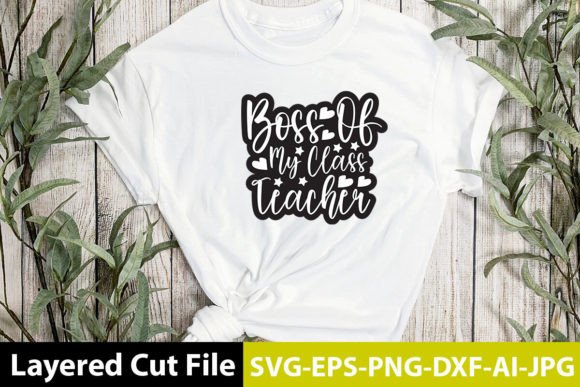
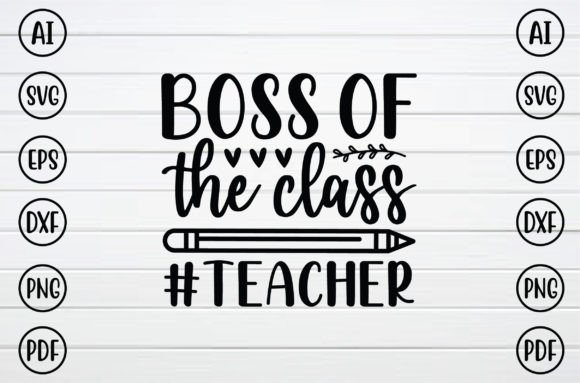
When I first saw the Boss of the Class Teacher SVG on my screen, I wasn’t just looking at a file. I was picturing it stitched onto a crisp canvas tote bag, destined to be carried into a classroom. The immediate impression is one of cheerful authority—a playful, confident statement that feels both celebratory and grateful. The layout, with its central focus on the clever “boss” phrase framed by the classic teacher elements, has a balanced, graphic personality. It’s not overly sentimental, nor is it too simplistic. This design sits in that perfect middle ground for embroidery: it’s clear, recognizable, and carries a mood that translates well into thread.
The Natural Habitat for This Design
In my work, I always ask: where does this design truly belong? For the Boss of the Class Teacher SVG, the answer is surprisingly broad. It’s a natural fit for custom apparel meant as a heartfelt gift. Think of a cozy, embroidered sweatshirt for a retiring educator, or a crisp apron for a teacher who loves cooking. The theme lends itself perfectly to personalized products—a baby onesie for a teacher’s new child, adorned with a smaller version of the design, or a decorative pillow cover for a classroom reading nook.
For small business owners and Etsy sellers, this design is a versatile asset. It can anchor a line of teacher appreciation merchandise: embroidered patches for bags, custom caps, or even holiday gifts like embroidered tea towels. Its clean, graphic nature makes it excellent for boutique branding on small shop products, where clarity and a handmade presentation build customer trust and enhance product value. When stitched well, it feels professional and deliberate, which directly affects buyer engagement.
Considering the Stitch: Practical Performance Notes
Moving from the digital preview to the actual embroidery project requires some practical thinking. The design’s strength is its clear shapes and defined areas, which will translate well into satin stitches for the lettering and likely fill stitches for the larger graphical elements. However, the small details—like the potential tiny corners of the book or apple icons—need attention. On textured fabrics like a knit sweatshirt, or on curved surfaces like a cap, those details might require adjusting stitch density or even opting for a simplified version to maintain clarity.
Always test this embroidery file on scrap fabric first. This is non-negotiable. Use the same fabric and stabilizer you plan for the final product. Check the thread color contrast, especially if you’re moving from a light digital mockup to a dark fabric background. The design’s appeal hinges on visual contrast; low-contrast thread on a dark garment could muddle the cheerful message. Also, for products destined for frequent washing, like kitchen towels or baby blankets, ensure the stitch density is appropriate to prevent puckering or premature wear.
Where Caution is Your Best Friend
Some applications demand extra care. Embroidering this design onto very thin or stretchy fabric without the proper, robust stabilizer is a recipe for distortion. Similarly, attempting it in a very small hoop size might compress the elements, making the lettering and details too dense and losing the open, friendly feel. I’d avoid using it on layered garments with complex seams directly under the design area, as this can complicate hooping and affect the final flatness.
The design’s graphic nature is a huge advantage, but it also means that every stitch line contributes to the overall recognition. If a section of running stitch outlining an element is unclear, the whole composition can feel off. For commercial embroidery projects where consistency across dozens of items is key, this means meticulous setup and quality control for each piece to maintain brand consistency.
A Real Scenario: Crafting a Gift Tote
Let’s walk through a real case. Imagine I’m preparing a custom embroidered tote bag as an end-of-year gift for a school principal. I’ve selected a sturdy natural canvas. My first step is to run the Boss of the Class Teacher SVG through my software to preview the stitch sequence and identify any potential jump stitches that might need trimming. I choose a vibrant, contrasting thread palette—perhaps a classic red and a deep blue—to pop against the canvas.
During the embroidery, I’m watching the fill areas on the graphical elements. Is the stitch build creating a smooth, solid surface without pulling the fabric? On this bag, which will see daily use, I want a robust stitch. After it’s finished, I inspect the small lettering of “boss.” Is it crisp? Does it read clearly from a few feet away? The final product, a high-quality tote with a clean, meaningful design, feels giftable and professional. It tells a story—one of respect and appreciation—which is exactly what a handmade product should do.
Designer Notes for Your Project Success
Before you commit this design to your final project, here are my essential notes. First, check the licensing terms for the Boss of the Class Teacher SVG file. Confirm whether it’s cleared for personal use, commercial use, or both, especially if you plan to sell the finished embroidered products or digital product previews in your craft business. Never assume.
Second, always test in both black and white printable mockups if you’re selling the design as a digital asset. This shows potential customers how it will look on light and dark backgrounds. Third, for embroidery, fabric texture is a co-designer. A smooth cotton will present the design very differently than a textured linen. Choose your fabric with the design’s personality in mind—this one calls for a stable, clean canvas to let its graphic nature shine.
Finally, remember that the true test of any embroidery design is how it makes the recipient feel. The Boss of the Class Teacher SVG, when stitched with care onto a well-chosen product, creates a moment of recognition and joy. It’s a design that, from my perspective, works best when its practical execution meets its playful intent, resulting in a finished product that feels both thoughtful and confidently made.