An Embroidery Designer's Review of Loved Teacher SVG
When a design file like Loved Teacher SVG lands on my desk, my first thought is never about the file formats or the resolution, though those are critical. My first thought is always about the story it’s going to tell once those digital lines become physical stitches. I approach this from the perspective of someone who has to make it work on real fabric, for real clients, and for real products that need to sell, gift, or last.
The Warm, Approachable First Impression
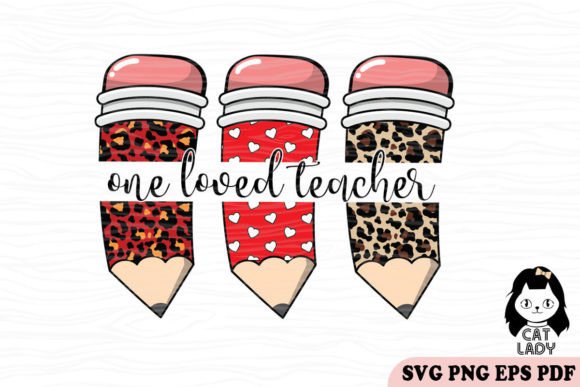
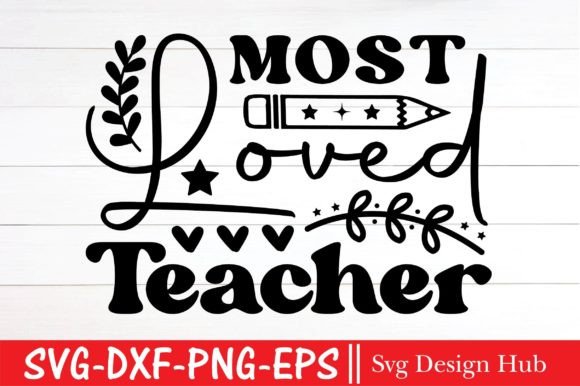
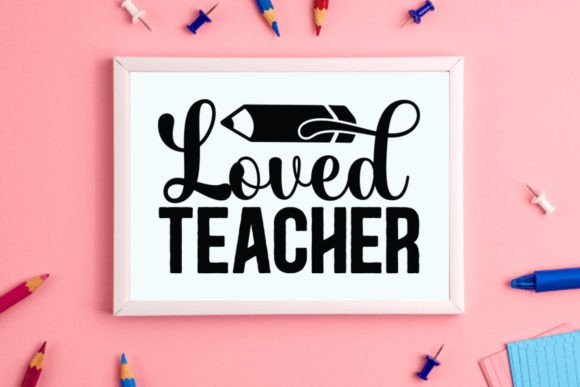
The Loved Teacher SVG design immediately strikes a chord. It’s not just a graphic; it’s a sentiment. The layout and theme feel warm, appreciative, and personal. For an embroidery designer, this means the design carries an emotional weight that translates directly into product value. It feels made for a heartfelt gift or a premium boutique product, not just a generic craft. The visual personality is clean and friendly, which in my world means it’s likely to stitch out with clear definition without being overly fussy or dense.
This mood tells me it belongs naturally on items meant to convey care and recognition. Think of a custom embroidered tote bag for a beloved educator, a cozy sweatshirt for a retiring mentor, or a delicate pillow cover for a teacher’s home. It’s the kind of embroidery project that gets a genuine reaction, not just a polite thank you.
Where Loved Teacher SVG Shines in Real Projects
Let’s walk through a real scenario. I’m preparing a batch of custom embroidered aprons for a small shop’s holiday gift collection. The shop owner wants something unique and personal for their teacher clients. I open the Loved Teacher SVG file and start planning.
The high-resolution files with transparent backgrounds are a practical starting point. This clarity means I can confidently scale the design for the apron’s pocket without worrying about jagged edges in my embroidery software. It’s perfect for positioning on mockups to show the client. I envision it on a classic cotton apron, using a crisp white or a soft pastel thread. The design’s likely composition—I’m imagining words and perhaps a simple illustrative element—would allow for nice satin stitch borders and clean fill stitch areas, making it look professional and handmade, not homemade.
Beyond aprons, this design has a natural fit across a wide range of craft business items:
- Apparel Decorating: It would be a standout on the left chest of a polo shirt or centered on a high-quality sweatshirt.
- Personalized Gifts: Embroidered onto a linen tea towel or the corner of a blanket, it becomes a keepsake.
- Small Shop Merchandise: As a focal point on a simple tote bag, it creates a sellable product with a clear niche.
- Baby Items: Stitched delicately onto a baby onesie or nursery pillow, it becomes a sweet tribute from a teacher’s family.
- Embroidered Patches: This design could easily be adapted into a standalone patch, offering versatility for the maker.
For Etsy sellers and digital product sellers, these same high-resolution files are excellent assets for creating realistic printable mockups, which are crucial for buyer engagement and trust.
Practical Considerations for Stitching Success
Confidence in a design file comes from knowing its limits as much as its strengths. Here’s my practical judgement on where you need to be careful with Loved Teacher SVG.
Any design with text or fine details requires forethought. If the design includes small lettering, you must consider stitch density and hoop size. Stitching it very small on a cap’s curved surface or on a textured fabric like a sweater could lead to loss of clarity. I always advise testing on scrap fabric first, especially if you’re working on a stretchy fabric or a dark background where thread color contrast is king.
Dense stitch areas, if present, can be challenging on thin fabrics like standard t-shirts without proper stabilizer. And for products destined for frequent washing—like kitchen towels or baby clothes—you need a robust stitch structure that won’t degrade. The beauty of a transparent PNG or JPG is that you can inspect these potential small details in your editing software before ever loading the embroidery file.
How This Design Impacts Your Craft Business
Using a well-executed design like this isn't just about making a nice item. It’s about building a reputation. When a customer, or a gift recipient, sees the finished product, the clarity and professionalism of the embroidery directly affect their perception of your work. Clean stitching from a clean file translates to customer trust and elevated handmade presentation.
For brand consistency, if your small business focuses on educator-themed products, this design becomes a reliable asset. Its giftability is inherent in its theme, which drives recognition and engagement. For commercial embroidery projects, where time and reliability are money, starting with a high-quality graphic file minimizes setup headaches and re-dos.
Essential Designer Notes Before You Hoop Your Fabric
Before you commit this to a client’s order or your next craft fair batch, do your homework.
- Test the design on a scrap of your intended fabric. Check for puckering and clarity.
- Review thread color contrast. How does it look on both light and dark backgrounds? Create black and white mockups to see pure form.
- Confirm your hoop size can accommodate the design at the size you want without compromising detail.
- Always, always use the proper stabilizer for your fabric type. This is non-negotiable.
- Crucially, confirm the licensing terms for this digital embroidery file. The product description mentions it’s a graphics file for crafts, but you must verify if your intended use—selling finished embroidered products or digital derivatives—is permitted. Never assume.
Remember, the product provides PNG, JPG, and PDF files. These are your design assets for preview and manipulation. The actual machine embroidery file format, stitch count, and specific compatibility are details you must source or create from these graphics. They are the excellent starting point, but your embroidery software and machine will dictate the final translation.
In the end, Loved Teacher SVG feels like a solid, heartfelt foundation. It’s a graphic that understands its job: to be stitched, to be seen, and to be appreciated. From my perspective as someone who turns pixels into thread, that’s exactly the kind of file I want in my toolkit.